The Emergence of Home-Based Paternity Tests: Reliability, Discretion, and Accessibility
The increasing prevalence of residential paternity testing highlights a considerable transformation in how individuals navigate the verification of parentage. With precision levels frequently surpassing 99%, such tests provide a convenient method for DNA sample collection. However, underlying worries regarding privacy about personal genetic information are still widespread. As a growing number of families explore such testing options, they must consider the impact of privacy, accuracy, and emotional impact. What factors should they prioritize in making this important decision?
How Do Home Paternity Tests Work?
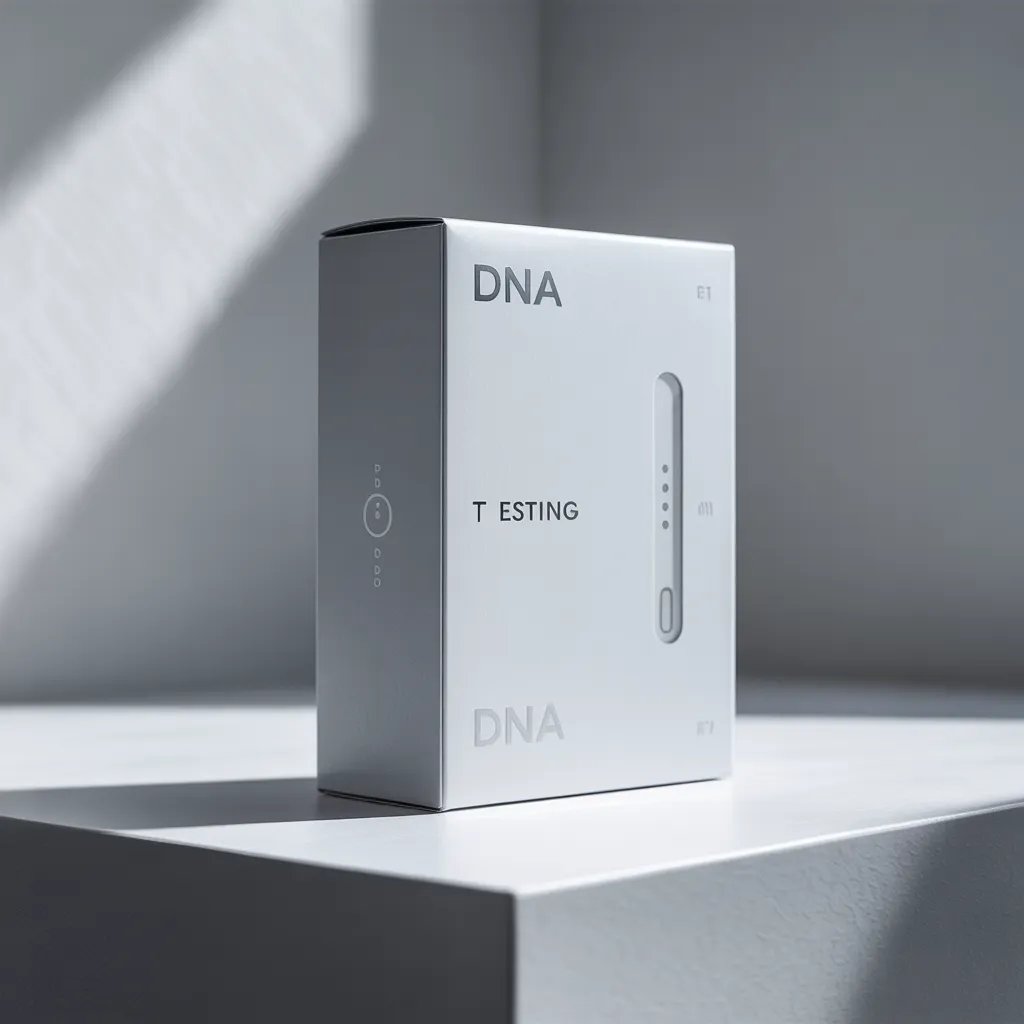
At-home paternity tests generally operate by means of an uncomplicated method involving the collection of DNA samples. Individuals receive a testing kit containing swabs designed to gather cheek cell samples, typically from the potential father and child. Individuals are directed to carefully swab the interior of their cheeks in order to collect an adequate amount of genetic material. Following the collection of the samples, the swabs are secured in provided containers and then forwarded to a testing facility for evaluation.
Within the lab, the DNA is extracted and analyzed to pinpoint particular genetic indicators. This evaluation matches the DNA patterns of the child and the alleged father to establish biological parentage. Outcomes are generally provided within a few days, and the process is designed to be user-friendly, guaranteeing little inconvenience. The convenience of home testing appeals to many, permitting individuals to obtain clarity in the seclusion of their own home. This process underscores the test's growing popularity as a trustworthy solution for paternity verification.
What Is the Accuracy of Home Paternity Tests?
How reliable are home paternity tests when it comes to determining biological relationships? Generally, these tests claim to offer a high accuracy rate, often exceeding 99% when conducted correctly. They analyze DNA samples from the alleged father, child, and sometimes the mother, comparing genetic markers to establish a relationship. However, the accuracy can be influenced by factors such as sample contamination or improper handling.
The majority of home tests employ sophisticated methods similar to those used in certified facilities, yet they may be without the stringent oversight characteristic of professional testing. In addition, results can vary between different brands or kits, underscoring the necessity of choosing a reputable provider. While home paternity tests can offer a clear suggestion of genetic connections, individuals should proceed carefully, recognizing that legal and emotional implications may arise from the findings. In the end, for complete confidence, working with a professional testing facility is recommended.
What Are the Main Privacy Issues to Consider?
Whereas home paternity tests present a practical method for confirming biological relationships, they also raise significant privacy concerns. The acquisition and processing of genetic data, typically collected as cheek swabs or saliva samples, may result in unauthorized access or misuse. Many companies do not guarantee the privacy of provided specimens, placing individuals at risk of privacy violations.
Moreover, the data may be distributed to third parties without express consent, intensifying concerns of discrimination or discrimination. Customers may also be unaware of how their genetic information will be retained or potentially utilized for research aims.
Furthermore, the emotional consequences linked to surprising discoveries can create additional challenges within the landscape of personal privacy. Overall, while these examinations present simplicity and widespread availability, the shortage of robust regulatory frameworks and clarity in data management practices generates important inquiries about the privacy rights of individuals and autonomy over their personal genetic data.
In What Ways Do Test Results Influence Emotions?
The psychological impact from paternity test results can be profound and far-reaching. People may experience a range of feelings, ranging from relief and joy to feelings of betrayal and anger. For some, a positive match can confirm deeply held convictions, fostering a feeling of belonging and stability. In contrast, a negative result may lead to feelings of doubt, confusion, and heartbreak, particularly if a close family tie is brought into doubt.
Such feelings may reach beyond the person affected to affect relationships within families. Parents could wrestle with fear and guilt over the implications for their children, while siblings could encounter alterations in their understanding of family structure. Moreover, public stigma can worsen these sentiments, as individuals navigate societal expectations surrounding parentage. In the end, the emotional toll of paternity testing outcomes varies widely, highlighting the complex interplay between sense of self, trust, and psychological wellness.
Key Factors for Choosing a Home Paternity Test
Navigating the emotional landscape after paternity test results often leads individuals to consider their options thoughtfully, particularly when choosing a home paternity test. A number of important considerations deserve attention to secure a dependable and favorable outcome.
First, exactness is critical; individuals should seek tests with high sensitivity and specificity rates. Next, usability is of great importance; a simple gathering process can ease concerns. Personal privacy stands as another important issue; reputable companies should guarantee secure handling of personal data and results.
Expense is also a key factor; prospective users should balance the cost against the assessment's reliability and customer support. Lastly, client feedback and testimonials offer valuable perspectives from previous users, helping individuals work through the various alternatives. Through careful assessment of these elements, people can arrive at well-informed decisions that match their personal requirements and goals.
Popular Questions We Receive
Can Home Paternity Tests Be Used as Legal Evidence in Court?
Home paternity tests are typically inadmissible in court because of accuracy concerns and the absence of standardized procedures. Courts generally mandate tests conducted by accredited laboratories to serve as valid legal evidence in paternity disputes.
How Long Does It Take to Get Home Paternity Test Results?
Results from home paternity tests generally take three to five business days to be processed. Certain providers offer accelerated processing services, shortening the processing time to approximately 24 hours, based on the particular testing method selected.
Is Retesting an Option if I'm Uncertain About My Results?
Yes, people can retest if unsure of their results. It is best to wait a short period before repeating the test to ensure reliable results. Seeking professional advice can also help determine the best steps to take.
What Samples Do You Need for Home Paternity Tests?
Residential paternity test kits usually call for cheek swabs from the child as well summary as the potential father, though a number of kits are also compatible with blood samples. Appropriate collection and proper handling of such samples are vital for obtaining reliable results.
Do Age Restrictions Apply When Testing Children?
There are generally no specific age restrictions for testing children with home paternity tests. Nevertheless, securing consent from a legal guardian is generally necessary, ensuring the child's rights and privacy are respected throughout the process.
Comments on “Use a DNA Paternity Test for DNA Accuracy”