Choosing the Right Home Paternity Test: Factors to Consider
Selecting a home paternity test requires thorough evaluation of several key factors. The sample collection method, the reputation of the provider, and the straightforwardness of the instructions all play significant roles in ensuring accurate results. Furthermore, knowing what guarantees are available can offer reassurance. Given that the range of options can be extensive, it's essential to investigate these elements in greater depth to reach a well-considered conclusion that best suits individual needs.
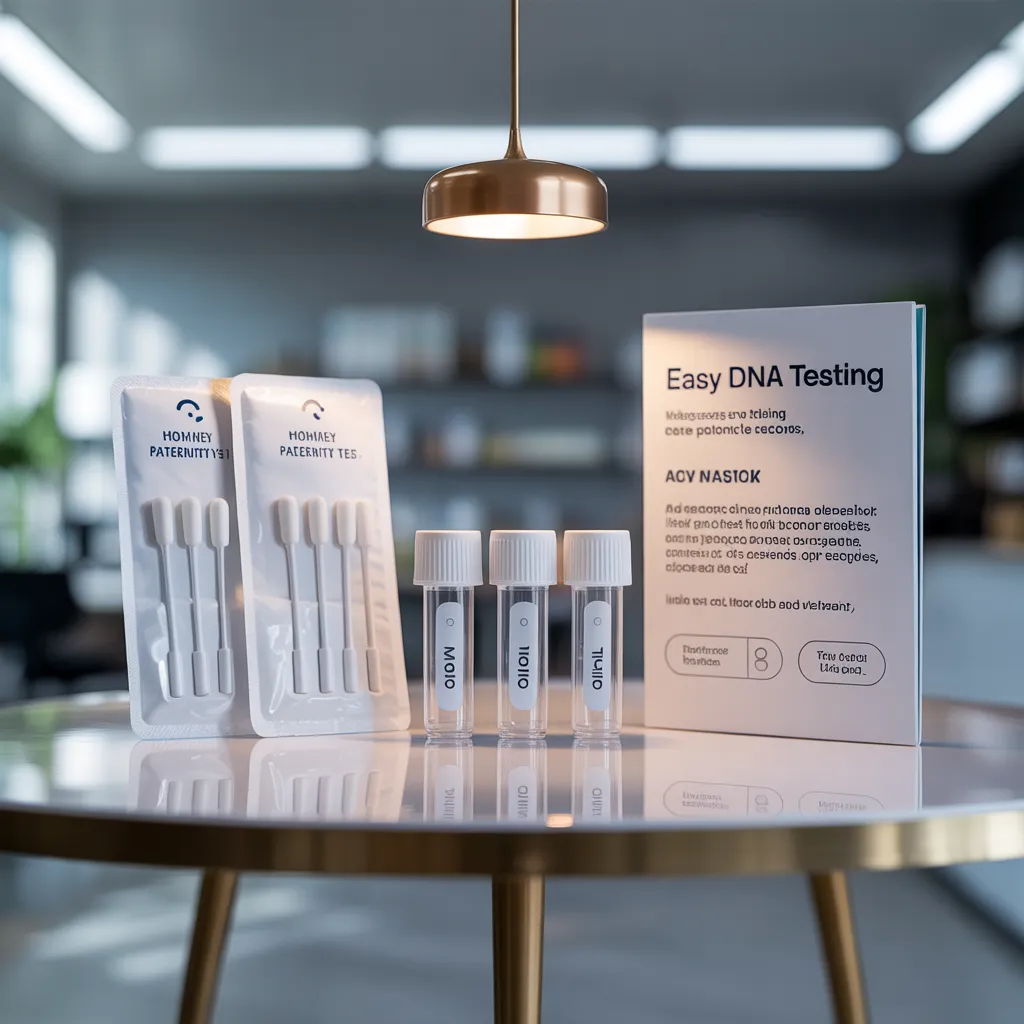
Kinds of Home Paternity Tests You Need to Know About
When considering residential paternity testing solutions, people discover multiple alternatives crafted to address diverse circumstances. The most common types include cheek swab tests, which obtain DNA specimens via a simple, pain-free approach. These tests are popular due to their ease of use and reliability. A further alternative is the blood sample test, which involves collecting a blood sample and may yield more definitive findings. A number of services further provide prenatal paternity assessment, allowing expectant parents to determine paternity before birth via a blood draw from the mother and a buccal swab from the prospective father. Moreover, convenient at-home packages are offered that merge DNA gathering with web-based processing, allowing people to obtain their findings with ease. Each type has its advantages and limitations, making it vital for people to select an option aligned with their unique needs and priorities.
Important Factors for Evaluating Test Accuracy
When selecting a residential paternity test, the precision of the outcomes is of utmost importance. Important factors to evaluate include the sample collection method, the laboratory's accreditation status, and the testing methods employed. Evaluating these factors can greatly impact the accuracy of the testing results.
Sample Collection Method
Given that multiple sample collection methods exist, their effect on test accuracy is an important factor for anyone choosing a home paternity test. Common methods include cheek swabs, saliva collection, and blood samples. Cheek swabs are frequently preferred due to their simplicity and non-invasive approach, allowing for quick collection without medical assistance. Blood samples, despite being more reliable, demand professional handling and may cause more discomfort. Saliva tests provide a middle ground but may have variable results depending on collection technique. The accuracy of each method is shaped by considerations such as contamination potential and sample degradation. Consequently, prospective users must discover details on evaluate their comfort level with each method and its potential impact on the accuracy of the test results.
Laboratory Certification Status
The precision of a at-home paternity test extends beyond the sample collection method to the lab where the examination is performed. The testing facility's certification status is an critical consideration in assessing the reliability of the test. Accredited testing facilities follow strict industry standards and protocols, guaranteeing that their testing processes are confirmed and consistent. Organizations such as the American Association of Blood Banks and the International Organization for Standardization provide accreditation, signifying a focus on accuracy and quality. Individuals should verify whether the selected laboratory is accredited and understand the implications of employing non-certified facilities, as this can substantially influence the findings. In the end, selecting a paternity test from an accredited laboratory increases trust in the accuracy of paternity test outcomes.
Testing Technologies Employed
Examining the testing technology used in residential paternity examinations is essential for establishing their accuracy and reliability. The majority of credible tests utilize sophisticated DNA examination methods, such as short tandem repeat (STR) analysis and polymerase chain reaction (PCR), which replicate and analyze specific DNA markers. These approaches enhance precision in establishing family relationships. Furthermore, the number of genetic markers tested can greatly impact outcomes; a greater quantity generally corresponds to increased accuracy. It is also necessary to consider whether the test uses independent testing facilities, as external validation can bolster credibility. Prospective users should research the methods utilized and confirm it corresponds with professional guidelines to make informed choices about the test's overall effectiveness and reliability.
How to Choose the Easiest Home Paternity Test for You
When selecting a home paternity test, people should evaluate several key factors to ensure convenience and usability. The assurance of test accuracy, the approach to collecting samples, and privacy and confidentiality are essential factors that can influence the experience as a whole. By assessing these factors, people can determine the most dependable and user-friendly choice for their needs.
Testing Accuracy Assurance
How is it possible to confirm the precision of a home paternity test? The first step involves picking a credible testing provider. Firms must maintain a proven history of dependable results while conforming to recognized industry benchmarks. It is equally necessary to ensure the test utilizes cutting-edge DNA examination methods, including PCR (Polymerase Chain Reaction), which significantly boosts reliability. Reviewing credentials and endorsements from reputable institutions can provide further confirmation of legitimacy. Furthermore, feedback and testimonials from previous customers can offer valuable perspective on the test's reliability. In conclusion, reviewing the company's assurance or warranty agreements can supply a sense of security. Taking all of these elements into account, people can significantly improve their likelihood of receiving a reliable home paternity test outcome.
Sample Collection Method
Selecting the right method of sample collection is essential for ensuring a hassle-free home paternity test journey. Multiple options can be considered, including saliva samples and buccal swabs, which are typically easier to collect than blood samples. Oral swabs require rubbing a soft cotton swab against the interior of the cheek, making them convenient and comfortable. Saliva specimen gathering is also uncomplicated, requiring participants to deposit saliva into a designated tube. When selecting a method, individuals should consider convenience, comfort, and the number of participants involved. Moreover, clear instructions provided by the test kit can streamline the process, decreasing the possibility of inaccuracies. Ultimately, an accessible collection method improves the complete testing process and provides reliable results.
Confidentiality and Privacy
What elements should people examine concerning privacy and confidentiality when choosing a at-home paternity test? People should prioritize organizations that highlight secure data handling and confidentiality protocols. One must carefully read the provider's privacy policy, confirming that sensitive data and results remain inaccessible to unauthorized individuals. Additionally, individuals should inquire whether the specimen collection procedure is confidential and if the packaging is unmarked to maintain anonymity. Test findings should optimally be sent in a safe format, such as through password-secured web access or encrypted correspondence. Ultimately, selecting a reputable company that values privacy can significantly enhance peace of mind during this sensitive process.
Choosing a Dependable Paternity Test Provider
When searching for a dependable paternity test provider, it is essential to assess a number of key factors that determine reliability. To begin, clients should check the organization's certifications and accreditation, confirming it adheres to industry standards. A reputable provider will usually be certified by institutions such as the AABB or ISO .
Additionally, customers should review online feedback and testimonials, which can give details regarding others' feedback. A reliable provider will typically have clear information about methods of testing, timelines, and associated costs.
Additionally, consider the service provider's customer service. Attentive and skilled support can considerably benefit the testing experience. Lastly, a reliable company will focus on privacy and confidentiality, making sure that personal data is handled with care. By diligently examining these considerations, people can reach well-informed conclusions in selecting the right paternity test provider.
Legal Aspects of At-Home Paternity Testing
In what ways do legal factors influence the selection of a home paternity test? Individuals seeking clarity on paternity must recognize that not all home tests yield legally admissible results. Legally recognized paternity tests demand a chain of custody to ensure sample integrity, usually requiring a licensed professional to gather samples. This differentiation is vital for those who could need results for legal proceedings, custody disagreements, or child support concerns.
Furthermore, the rules pertaining to paternity testing can differ significantly by jurisdiction. Some regions may impose specific rules on how tests are conducted and used. Therefore, individuals should verify that the test they choose adheres to legal standards in their jurisdiction. Misunderstanding these legal requirements can lead to unacceptable findings, further complicating family matters unnecessarily. It is prudent for individuals to speak with legal professionals if they anticipate needing the results for formal purposes, taking care they identify an suitable testing method.
Your Next Steps Following Your Home Paternity Test Results
After receiving results from a home paternity test, many find themselves confronting significant choices about what to do next. The first consideration is verifying the accuracy of the results. Should uncertainties emerge, seeking a professional retest through a certified laboratory may provide clarity.
After this step, those involved should evaluate the psychological effects of the test results. Having open dialogue with loved ones can encourage deeper understanding and unity. In light of the results, some may decide to create a legally recognized paternity agreement, especially if child support or custody matters are being considered.
Speaking with a legal professional can help navigate these complexities. Should the results confirm genetic connections, individuals might explore opportunities to nurture those relationships, such as arranging visits or collaborative experiences. At its core, the path forward should focus on mental and emotional health and the best interests of all parties involved, making certain that determinations are arrived at in a mindful and considerate manner.
Financial Planning for Your Home Paternity Test
Setting a budget for a home paternity test necessitates careful consideration of several factors to ensure affordability without undermining quality. First, individuals should investigate the price range of current tests, as costs can vary greatly based on manufacturer and testing technology. Most reliable tests typically range from $100 to $500, depending on the complexity and accuracy of the results.
In addition to the original purchase price, it's essential to consider potential shipping fees, especially when samples are required to be forwarded to a lab. Some providers could also bill for additional services, like rush processing or comprehensive reports.
Furthermore, individuals should consider the track record of the testing service, as lower-cost alternatives may lead to questionable outcomes, ultimately costing more in the long run. By weighing these elements, people can properly allocate funds for a at-home paternity test that meets their financial needs while guaranteeing reliable results.
Frequently Asked Questions
What Is the Processing Time for a Home Paternity Test?
A home paternity test generally requires between three to seven business days for processing. Results may vary depending on the lab's current workload and the testing methodology used, providing precise and reliable results for all individuals concerned.
Can I Use a Home Paternity Test for Legal Purposes?
Consumer paternity tests are generally not suitable for legal purposes, as they do not have the necessary chain-of-custody procedures. For legally valid results, those seeking legal results should pursue tests performed by accredited laboratories that follow established legal requirements.
What Happens if the Results Are Inconclusive?
In the event that results are inconclusive, individuals might consider retesting with another kit or seek professional testing. Inconclusive results can be caused by insufficient sample quality or contamination that occurs during the testing procedure.
Do Age Restrictions Apply When Testing Children?
There are generally no strict age restrictions for testing children in home paternity tests. However, some companies recommend testing children over a certain age to guarantee accurate, reliable results and minimize emotional stress.
How Should I Collect Samples for the Test?
To collect samples for the test, one should utilize a soft cotton swab or oral swab to softly swab the interior of the mouth, making sure to follow the instructions provided with the at-home paternity testing kit.
Comments on “Paternity Test Cost: Budget-Friendly Testing Options for Home Tests”