The Emergence of Home-Based Paternity Tests: Accuracy, Privacy, and Convenience
The growing popularity of home paternity tests reflects a notable shift in how people handle parentage verification. With precision levels commonly reaching beyond 99%, these tests present a convenient approach for collecting DNA samples. However, significant worries regarding privacy about DNA data are still widespread. As an increasing number of individuals explore these tests, they need to consider the consequences of accuracy, privacy, and emotional consequences. Which considerations should guide them in determining the right course of action?
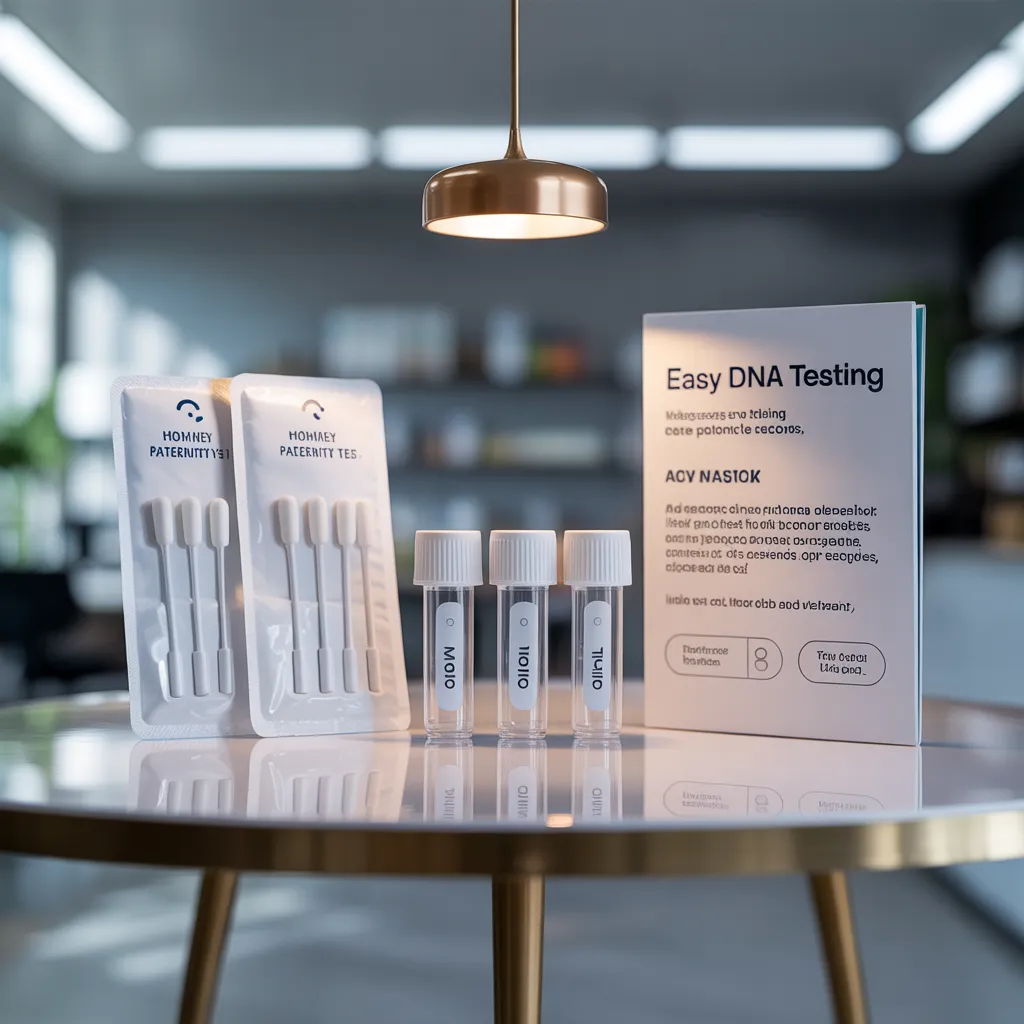
How Do Home Paternity Testing Kits Work?
At-home paternity tests generally operate via a simple procedure involving the collection of DNA samples. Individuals receive a testing kit containing swabs designed to gather cheek cell samples, usually from both the prospective father and the child. Users are instructed to gently rub the swabs inside their cheeks to gather sufficient DNA material. After collecting the samples, they are placed in designated containers before being mailed to a lab for examination.
In the lab, the DNA is collected and examined to pinpoint particular genetic indicators. The examination contrasts the DNA samples of the child and the alleged father to establish biological parentage. Outcomes are generally provided within a few days, and the method is crafted to be user-friendly, providing minimal stress. Home testing convenience attracts numerous individuals, permitting individuals to obtain clarity in the privacy of their own environment. This process underscores the examination's increasing recognition as a trustworthy solution for establishing paternal identity.
How Reliable Are Home Paternity Tests?
How dependable are at-home paternity tests for identifying biological connections? In most cases, these tests are reported to deliver a high accuracy rate, commonly exceeding 99% when administered under the right conditions. These tests examine DNA samples collected from the potential father, child, and occasionally the mother, evaluating genetic markers to confirm a biological connection. Nevertheless, the reliability of results may be affected by elements such as sample contamination or incorrect handling procedures.
The majority of home tests employ cutting-edge approaches comparable to those used in certified facilities, yet they may lack the strict quality control characteristic of professional testing. Furthermore, results can vary between different brands or kits, underscoring the significance of identifying a reliable source. While home paternity tests can offer a clear suggestion of biological ties, individuals should exercise discretion, considering that significant emotional and legal ramifications may arise from the findings. In the end, for absolute certainty, consulting a certified laboratory is advisable.
What Privacy Concerns Should You Know About?
While home paternity tests offer an accessible means of determining familial biological ties, they also introduce significant privacy concerns. The acquisition and processing of genetic data, commonly obtained through cheek swabs or saliva samples, can lead to unauthorized access or misuse. A large number of firms do not assure the security of collected samples, placing individuals at risk of security breaches and data exposure.
Moreover, the findings may be distributed to third parties without express consent, heightening fears of stigmatization or discrimination. Customers may also be uninformed of how their genomic data will be kept or potentially applied to research aims.
In addition, the psychological ramifications linked to surprising discoveries can further obscure the domain of data privacy. Overall, while these assessments deliver simplicity and widespread availability, the absence of strict regulatory oversight and accountability in the handling of personal data raises serious questions about personal rights regarding data privacy and ownership of their own genomic information.
How Do Test Results Affect Emotions?
The psychological impact from paternity test results can be significant and extensive. Individuals may experience a spectrum of reactions, ranging from joy and comfort to anger and betrayal. For some, a positive match can validate longstanding assumptions, fostering a feeling of belonging and stability. In contrast, a negative result may lead to a sense of confusion, disbelief, and sorrow, particularly if a close family tie is brought into doubt.
These emotions often spread beyond the individual to impact family relationships. Parents could wrestle with fear and guilt regarding the impact on their kids, while brothers and sisters may experience alterations in their understanding of family structure. Furthermore, public stigma can worsen these sentiments, as individuals navigate societal expectations surrounding parentage. At the core of it all, the psychological impact of paternity testing outcomes can vary significantly, highlighting the complex interplay between personal identity, trust, and mental health.
Key Factors for Choosing a Home Paternity Test
Navigating the emotional journey in the wake of paternity test results often leads individuals to contemplate their next steps carefully, particularly when deciding on a home paternity test. Several key factors require careful thought to secure a dependable and favorable outcome.
Initially, accuracy is paramount; individuals should seek tests with high sensitivity and specificity rates. Additionally, simplicity of use is fundamental; a straightforward collection process can alleviate stress. Privacy is another significant concern; credible firms are expected to secure the careful handling of sensitive data and results.
Cost is also a factor; potential users should weigh the price against the test's credibility and support services. In addition, user reviews and personal accounts shed light on the experiences of fellow customers, providing direction when navigating available choices. By evaluating these factors, individuals can make informed choices that align with their needs and expectations.
Questions Our Clients Often Ask
Are At-Home Paternity Tests Accepted as Legal Evidence in Court?
At-home paternity tests are generally inadmissible in court due to concerns about accuracy and the lack of standardized procedures. Courts generally mandate tests conducted by accredited laboratories to serve as valid legal evidence thorough guide in paternity disputes.
What Is the Turnaround Time for Home Paternity Test Results?
Results from home paternity tests generally take anywhere from three to five days to be processed. A number of companies provide accelerated processing services, cutting down the waiting period to as little as 24 hours, based on the particular testing method selected.
Can I Retest if I'm Unsure of Results?
Certainly, individuals can take the test again if uncertain about the outcome. It is recommended to wait a short period before repeating the test to guarantee reliable results. Consulting a professional can also offer insight into the right path forward.
What Samples Do You Need for Home Paternity Tests?
Home paternity tests generally need oral swab samples from both the child and the presumed father, though some kits may also accept blood specimen samples. Appropriate collection and proper handling of such samples are vital for obtaining reliable results.
Are There Age Restrictions for Testing Children?
Generally speaking, there are no strict age restrictions for conducting home paternity tests on children. Nevertheless, securing consent from a legal guardian is generally necessary, guaranteeing that the child's rights and personal privacy are honored throughout the procedure.
Comments on “Home Paternity Test: Accurate DNA Testing for Personal Answers”