The Overlooked Benefits of Paternity DNA Testing for Families
DNA-based paternity testing is commonly regarded as a direct means for verifying hereditary ties. Yet, its implications extend far beyond mere verification. Families are able to discover meaningful emotional ties, obtain valuable health information, and investigate their heritage. These elements can profoundly affect one's sense of self and family connections. As the nature of family dynamics becomes increasingly varied, understanding the broader benefits of DNA testing becomes increasingly essential. What unanticipated insights might come to light through these findings?
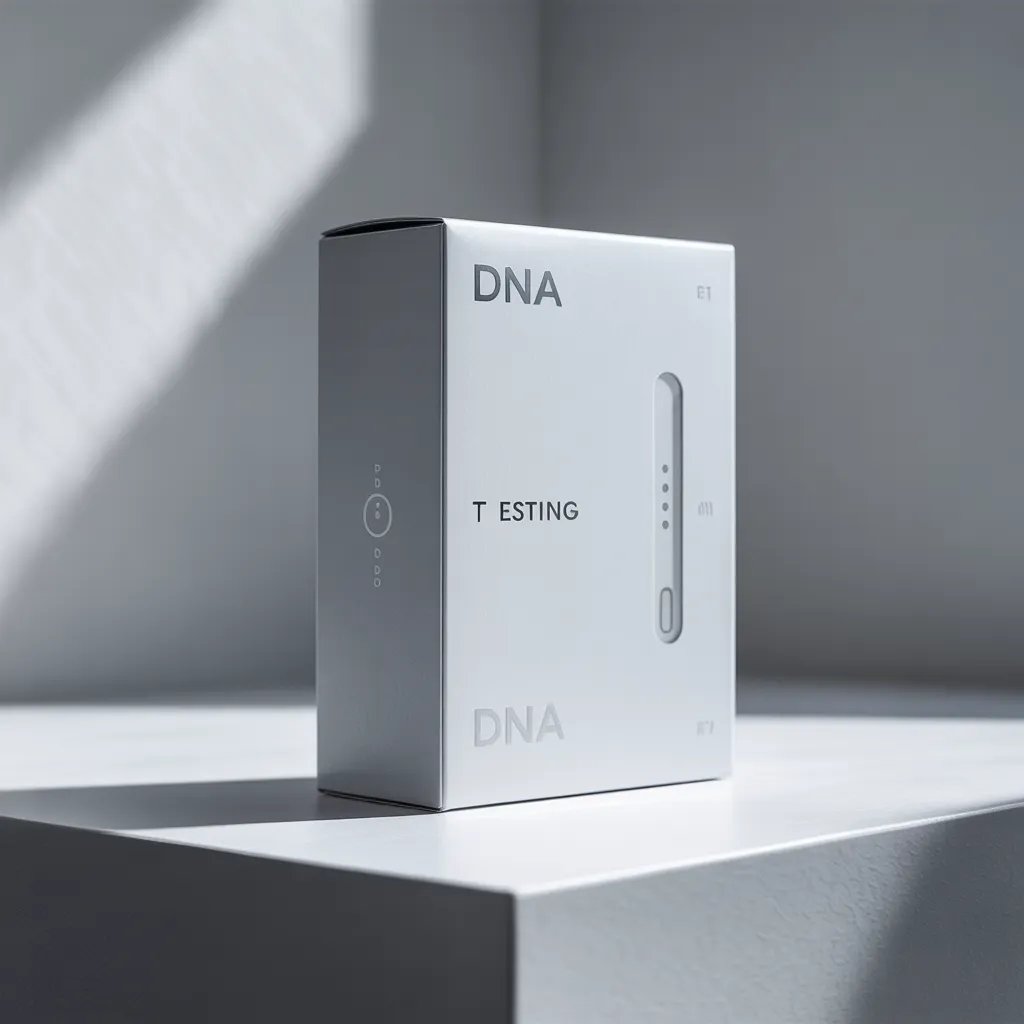
Important Things to Understand About DNA Paternity Testing
What essential factors should one consider when exploring DNA paternity testing? First, the accuracy of the testing method is paramount. Leading accredited labs typically deliver over 99% accuracy when establishing paternity. Furthermore, it is important to examine the different testing options, such as home-based kits compared to clinical laboratory testing, as each carries unique procedures and reliability standards. The legal aspects should not be overlooked; tests carried out for legal proceedings must adhere to defined standards and typically demand a verified chain of custody. Pricing is also a significant consideration, as costs can differ considerably based on the provider and the specific test selected. Additionally, understanding the emotional ramifications of the results is critical, as they can greatly impact family dynamics. Finally, it's advisable to consult healthcare professionals or genetic counselors to navigate the complexities of paternity testing and its consequences effectively.
How DNA Testing Strengthens Family Bonds?
DNA testing can reveal biological connections that strengthen familial ties, providing individuals with a clearer understanding of their heritage. This newfound knowledge often encourages open communication among family members, nurturing more meaningful connections. As relatives come to terms with these findings, they have the opportunity to establish a more harmonious and nurturing dynamic.
Revealing Biological Relationships
A great number of families recognize that DNA testing reveals deep genetic links that reinforce their relationships. By discovering biological connections, individuals often develop a greater appreciation of their lineage and generational background. This knowledge can nurture emotions of connection and self-discovery, as family members uncover common see this characteristics, genetic tendencies, and shared origins. Furthermore, when DNA tests validate family connections, they can eliminate uncertainties and build confidence within the family. In cases involving adoption or blended families, DNA testing can mend disconnections, highlighting connections that may have felt tenuous. As families explore these biological links, they often experience renewed appreciation for one another, reinforcing emotional ties and creating a stronger, more cohesive family unit.
Encouraging Transparent Communication
While managing complex family dynamics can prove difficult, the introduction of paternity analysis frequently acts as a driver of transparent conversation. By providing definitive answers, genetic testing reduces uncertainties that can strain relationships. Family members are prompted to discuss their concerns and feelings more freely, nurturing an setting of mutual understanding. Such enhanced openness can result in deeper connections, as individuals navigate their emotions together. Additionally, the experience of going over results can encourage wider discussions about family history, identity, and belonging. As conflicts subside, connections can shift, permitting relatives to unite over mutual understanding rather than persistent uncertainties. At its core, genetic paternity analysis not only establishes biological connections but also deepens family ties through better conversation and shared awareness.
DNA Testing Health Insights
With genetic testing becoming more accessible, people can obtain important health information that were once limited to medical professionals. DNA testing can reveal predispositions to various genetic conditions, enabling families to take proactive measures in managing health risks. By uncovering hereditary illnesses, such as particular cancers or cardiac conditions, people can make well-informed decisions about their lifestyle and obtain early healthcare intervention when required.
In addition, DNA testing can provide details about copyright statuses for identified genetic disorders, which is notably valuable for prospective parents. Comprehending these risks allows families to explore possible health implications for future children and make educated decisions regarding family planning.
Additionally, knowledge obtained through DNA testing can support clinicians in tailoring personalized treatment plans, optimizing medications, and improving the quality of patient care. Thus, the health insights derived from DNA testing not only empower individuals but also cultivate family-wide preventive health practices.
How DNA Testing Discovers Your Ancestry and Personal Identity
In what ways can a basic DNA test uncover the secrets of ancestry and personal identity? By studying genetic markers, DNA testing delivers meaningful insights into an individual's ethnic heritage and familial ties. This scientific approach enables people to trace their lineage, revealing potential geographical origins and ancestral migrations.
The results often provide a sharper view of an individual's ancestry, bringing people closer to remote kinship connections who share similar genetic traits. Moreover, exploring one's heritage can nurture a deeper sense of community and personal identity, as one gains insight into the cultures and histories that influenced their family's story.
When families interact with their genetic data, they may discover surprising links, broadening their perspective on the variety within their ancestry. Ultimately, DNA testing acts as a remarkable tool, empowering individuals to navigate the rich mosaic of their ancestry while strengthening their sense of self in an increasingly interconnected world.
Emotional Healing Through Understanding Your Roots
Uncovering one's genetic heritage can lead to significant emotional healing. A great many people find that revealing their biological roots helps to address emotional gaps caused by uncertainty about identity or familial connections. This knowledge can cultivate a strong sense of belonging, as people recognize links to traditions, cultures, and histories that define their identity.
Accepting these connections commonly brings about greater self-acceptance and individual empowerment. For individuals with complex family situations, understanding genetic backgrounds can shed light on relationships, alleviating feelings of uncertainty or isolation.
Additionally, uncovering common traits and narratives can create bridges between generations, facilitating deep discussions and relationships with family members. This process of exploration nurtures a greater connection to one's ancestry, eventually supporting psychological fortitude. When individuals uncover knowledge of their lineage, they may experience a life-changing path toward restoration, acknowledgment, and a revitalized sense of direction in their lives.
Legal and Ethical Aspects of DNA Testing
While the benefits of DNA paternity testing can be significant, legal and ethical factors must be taken into account. A key concern centers on consent; every party involved must provide agreement to undergo testing, particularly when minors are included. Failing to obtain proper consent may lead to legal complications, such as challenges to the legitimacy of the findings. Furthermore, the possibility of genetic information being misused raises serious ethical concerns, as individuals may face discrimination based on their DNA profile.
Data protection is another significant matter; protecting the privacy of genetic information is crucial to avoid unauthorized use or misuse. Moreover, the psychological effects of test outcomes can significantly influence family relationships, necessitating that individuals thoroughly evaluate the potential repercussions before taking action. Ultimately, navigating these legal and ethical considerations is key to ensuring that DNA paternity testing enhances family bonds rather than creates further challenges.
Common Questions and Answers
What Is the Typical Cost of a DNA Paternity Test?
A DNA paternity test usually ranges between $100 to $500, according to the testing method and the lab selected. Supplementary costs may arise for official paperwork or rush processing, impacting the overall price.
Can You Have DNA Testing Carried Out Anonymously?
Yes, DNA testing can be conducted in an anonymous manner. Several testing facilities offer private testing options, enabling individuals to send in DNA specimens without revealing personal information, guaranteeing anonymity throughout the entire process while nonetheless getting dependable outcomes.
What Specimens Are Required for DNA Testing?
DNA tests generally need biological samples such as blood, saliva, or cheek swabs. Such samples hold the necessary genetic information to examine and identify genetic connections among individuals, ensuring accurate results in paternity testing.
How Much Time Does DNA Testing Require to Process?
DNA analysis usually requires 1 to 3 weeks for processing, subject to the laboratory's workload and the type of test. Urgent cases may receive faster turnaround times, often available within a few days.
Are DNA Test Results Legally Binding?
The results of DNA tests are not inherently legally binding . Nevertheless, when performed through accredited laboratories and in compliance with legal protocols, they may be utilized in court for paternity disputes and various other legal matters .
Comments on “Best DNA Paternity Test Options for Prenatal DNA Analysis”