Understanding Family Relationships: How DNA Tests for Siblings in Uncovering Relationships
DNA tests for siblings have become essential resources for exploring familial relationships. They can clarify parentage and reveal connections that were previously unknown. Although these tests offer a window into genetic bonds, they also bring emotional challenges that families need to work through. The implications of such discoveries can be profound, prompting questions about identity and belonging. How do families cope when the findings contradict deeply rooted assumptions about their relationships? The responses to these questions can alter relationships in surprising and unforeseen manners.
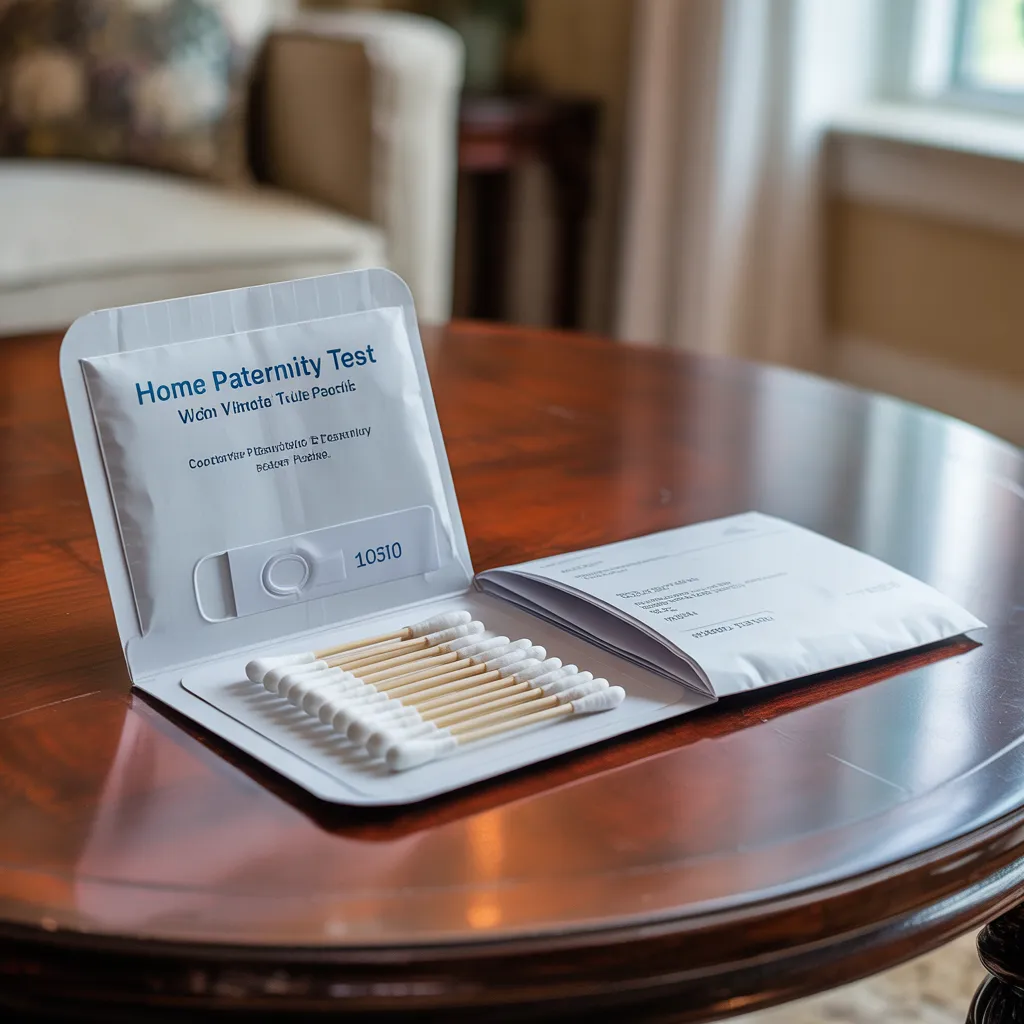
Understanding Sibling DNA Tests and Their Importance
Sibling DNA testing serves as an essential method for discovering genetic connections between siblings. These tests analyze genetic markers common between people to determine the likelihood of them being full siblings, half-siblings, or not related at all. Through the comparison of DNA sequences, people can uncover valuable information about their biological ties, which can prove especially beneficial for individuals with intricate family backgrounds or uncertainties regarding parentage.
Understanding these relationships can profoundly influence family dynamics, delivering clarity in situations where familial ties have been challenged or unclear. DNA sibling tests can also cultivate a sense of belonging and identity, especially for those looking to explore their ancestry. Moreover, the results can influence emotional bonds, allowing siblings to work through feelings of attachment or separation. As the relevance of genetic information expands in society, these tests remain essential for fostering acceptance and understanding within family structures.
How DNA Testing Uncovers Hidden Family Connections
In what ways can DNA testing uncover connections that were not previously known? DNA testing serves as a powerful resource for discovering familial bonds that may not be visible through standard methods. By analyzing genetic markers, individuals can identify biological connections with half-siblings, unknown relatives, or even distant cousins. This process can clarify complex family histories, especially in cases of adoption or when family structures are non-traditional.
The findings can provide new insights about common lineage, hereditary characteristics, and health tendencies. For numerous individuals, this newly acquired information can transform their understanding of family dynamics and lineage. Moreover, genetic testing may uncover unforeseen family bonds, motivating individuals to examine connections that were previously overlooked. Ultimately, the revelations from DNA tests can greatly enhance a person's knowledge of their ancestral history, nurturing a more profound recognition of the intricate web of relationships that define personal identity.
How Sibling DNA Tests Emotionally Affect Family Relationships
Sibling DNA testing can significantly affect family dynamics by revealing unforeseen ties that call into question honesty and openness. Such revelations frequently result in complicated emotional responses, as family members contend with their identities and familial bonds. Understanding these emotional effects is vital for handling the outcome of the testing process and maintaining healthy relationships.
Trust and Transparency Issues
Concerns about trust and transparency often emerge within families when DNA tests between siblings are conducted. The process of testing can reveal concealed family secrets, triggering feelings of betrayal among siblings who had previously assumed they shared a straightforward relationship. These discoveries can prompt questions regarding the truthfulness of parents and the accuracy of family histories. When results differ from expectations, the emotional fallout can strain bonds, as family members struggle with insecurity and uncertainty. Furthermore, the felt need to pursue a DNA test can indicate underlying issues with trust, implying that family members may struggle to openly address their connections. Consequently, these tests can inadvertently disrupt the foundations of familial trust, further complicating sensitive family dynamics.
Managing Emotional Responses
When unexpected results from sibling DNA tests surface, the emotional terrain within families can transform profoundly. Disclosures about biological ties can give rise to feelings of betrayal, confusion, or anger among siblings. Some may grapple with questions about their identity or the authenticity of their relationships, while others might experience a sense of relief or validation. Handling these emotions necessitates open communication and empathy, as siblings address their reactions together. It is important for family members to provide space for individual feelings without judgment, nurturing an environment where healing and understanding can take place. At the end of the day, the influence of these tests can either test or fortify family bonds, depending on the strategy adopted in addressing the emotional aftermath.
Leveraging DNA Insights to Improve Communication Between Siblings
Exploring the biological connections between siblings can improve their communication, particularly when conflicts occur. By applying findings from genetic testing, siblings can achieve a deeper perspective on their hereditary links, which may reveal root reasons for particular tendencies or differences. This information cultivates emotional connection, as siblings recognize that DNA differences can shape behavioral patterns and personal tendencies.
When conflicts emerge, turning to genetic understanding can act as a common basis for conversation. Instead of attributing disagreements solely to personal differences, family members may come to understand that their individual qualities originate from their genetic background. This understanding can encourage a more meaningful exchange, promoting honest discussion about emotions and personal encounters.
Ultimately, leveraging DNA insights encourages siblings to approach their relationships with curiosity rather than judgment. By fostering a deeper understanding of each other's genetic backgrounds, siblings can create a more related article supportive environment that nurtures their bond, even amidst challenges.
Genuine Experiences: How DNA Testing Reshaped Family Bonds
Sibling bonds can be deeply affected by the revelations brought forth through DNA testing. In one case, two brothers who had grown up separately found out through genetic testing that they shared the same biological father, which brought about a touching reunion. Their newfound connection allowed them to share experiences and stories, strengthening their connection.
In one such case, a lady discovered that her biological half-sister, who she had always thought was a cousin, was truly a sibling. This revelation encouraged both to investigate their family background together, cultivating a sense of belonging and understanding that was previously missing.
On the other hand, DNA analysis at times uncovers surprising realities, as in the example of a man who learned he was not a biological match for his siblings. Despite the initial shock, this knowledge eventually prompted candid conversations and a reinvigorated understanding of the personal connections that shape familial bonds, irrespective of biological connections.
Ethical Considerations in Sibling DNA Testing
While advancements in genetic testing offer insights into familial connections, they simultaneously present significant ethical challenges. Sibling DNA analysis may bring to light unanticipated family relationships, possibly unsettling established family structures and resulting in emotional hardship. Choosing to pursue such testing frequently requires agreement from several individuals, prompting important questions regarding personal autonomy and the right to understand one's genetic heritage. Moreover, the revelation of non-paternity or half-sibling ties may give rise to deep-seated feelings of betrayal and uncertainty among relatives.
Privacy concerns also emerge, as genetic information is delicate and could be exploited if not properly protected. The risk of discrimination based on genetic characteristics further complicates the ethical landscape. As a result, it is crucial for people contemplating sibling DNA tests to weigh the emotional and ethical ramifications carefully, ensuring that they undertake the journey with full awareness of its possible consequences for themselves as well as their family members.
Future Directions in DNA and Family Ties
In what ways will the evolving terrain of genetic analysis reshape family relationships in the foreseeable future? As technological innovation continues, the availability and cost-effectiveness of DNA examinations are projected to improve, allowing more households to investigate their genetic ties. This surge in testing might bring about a more profound awareness of kinship ties, uncovering unrecognized genetic bonds and questioning conventional concepts of familial identity.
In addition, the growth of direct-to-consumer genetic testing might cultivate a culture of candor regarding family lineages and roots. As more individuals explore their genetic histories, conversations about lineage, ethnic identity, and family relationships will grow more frequent.
Nevertheless, this phenomenon also prompts questions about privacy, consent, as families navigate the challenges of sharing genetic information. Ultimately, the evolving landscape of genetic testing could cultivate both stronger connections and unprecedented challenges, as families adapt to the insights and revelations that arise from their genetic legacies.
Common Questions and Answers
How Precise Are Sibling DNA Tests at Establishing Relationships?
DNA tests for siblings are commonly precise, providing a strong likelihood of verifying familial connections. Nevertheless, outcomes may differ depending on the degree of genetic similarity, and supplementary information might be required to comprehensively interpret family relationships.
Can Sibling DNA Tests Reveal Non-Biological Connections?
Sibling genetic tests primarily reveal genetic relationships; nevertheless, they can indirectly suggest relationships beyond biology by identifying shared genetic markers. Such findings may lead individuals to investigate family connections beyond standard concepts of family bonds.
What Age Is Appropriate for Taking a Sibling DNA Test?
The recommended age for taking a sibling DNA test generally starts at 18 years of age, as people at this age are deemed adults who can make well-informed choices. Those under the age of 18 may require parental consent and guidance for interpreting the findings.
How Are Half-Siblings and Full Siblings Distinguished in Sibling DNA Tests?
Sibling DNA tests differentiate between full siblings and half-siblings by evaluating shared genetic markers. Children sharing both parents share approximately 50% of their DNA, while siblings who are half-siblings share about 25%, establishing clear differences in biological relationships.
Are There Privacy Issues Associated With Sharing DNA Test Results?
Privacy challenges surface with sharing genetic test results, as people may unintentionally reveal sensitive information about their genetic makeup. This can affect not only the tested individual but also their family members, resulting in likely familial discord.
Comments on “Affordable DNA Paternity Test Options for Prenatal DNA Analysis”